Angel Aroha Packs provide recipients with dignity, increasing their confidence to access important social, cultural, sporting, and educational opportunities, which leads to healthy development through participation.
Why is the project necessary?
Initial concerns were raised by Marg, a school health nurse in the Hokianga; a teacher aide in Kaikohe; and Cindy, an OT psychiatrist based in Whangārei.
Marg talked about many teens having a lack of access to basic everyday hygiene products. If families have to choose between bread and deodorant, bread will obviously win. Adding further barriers is the lack of reticulated water, forcing families to use natural streams as their main source of water. Washing either yourself or your laundry in cold or muddy water is both unpleasant, not to mention leaving clothing discoloured due to silt. The lack of electricity and/or running water is not uncommon in rural areas in Te Tai Tokerau.
Two nine-year-olds attending Oranga Tamariki psych clinics had been deeply distraught, as they thought they were dying when they’d begun menstruating. Cindy, their psychiatrist, reached out to us to help fill a need they had highlighted. Turns out, early menstruation is linked to trauma. Even though “the chocolate was the best bit”, the products provided, including towels, flannels, dental care, shampoo, soap and information about hormones and menstruation, coupled with a responsible professional to talk to, relieved the girls of some stress and fear.
Following our initial distribution of the packs, Marg has reported teen boys also being very excited to receive a pack. She commented that “even though it was just basic hygiene stuff, these kids felt that it was like Christmas.”
A social worker in Kaitaia, who had trialled with five rangatahi, asked the youth to select from a range of options that best described the usefulness of the pack. The choices given were:
- not useful
- A little useful
- useful
- very useful
All of them chose “very useful”.
When asked to describe how they felt about receiving the packs, they were given another set of choices:
- 1 felt supported
- 1 felt relieved
- 3 said they were grateful
- 1 added that they were happy
So what is included in the packs?
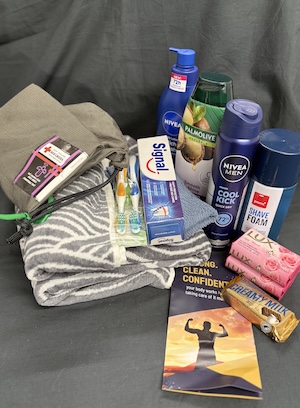
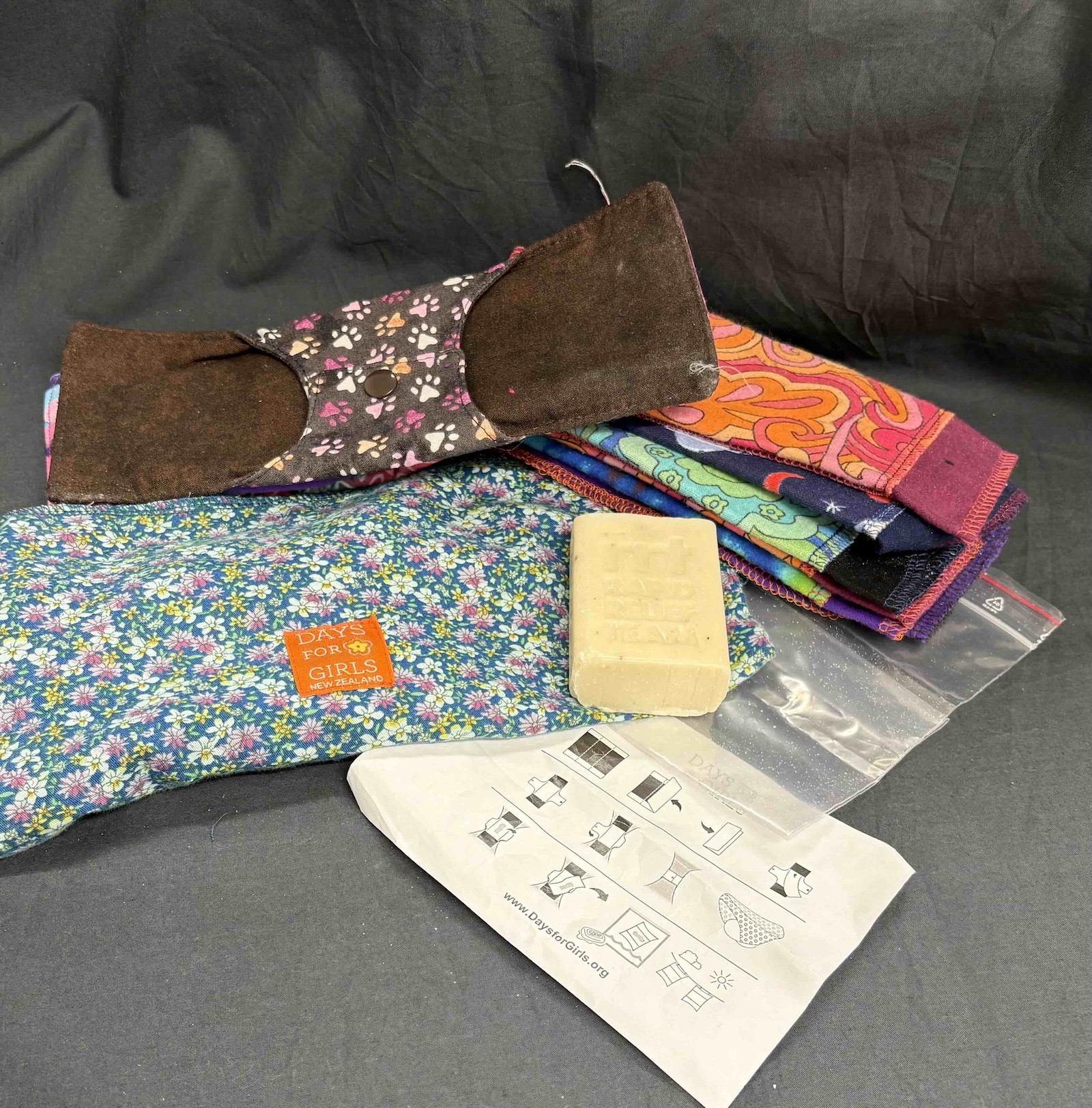
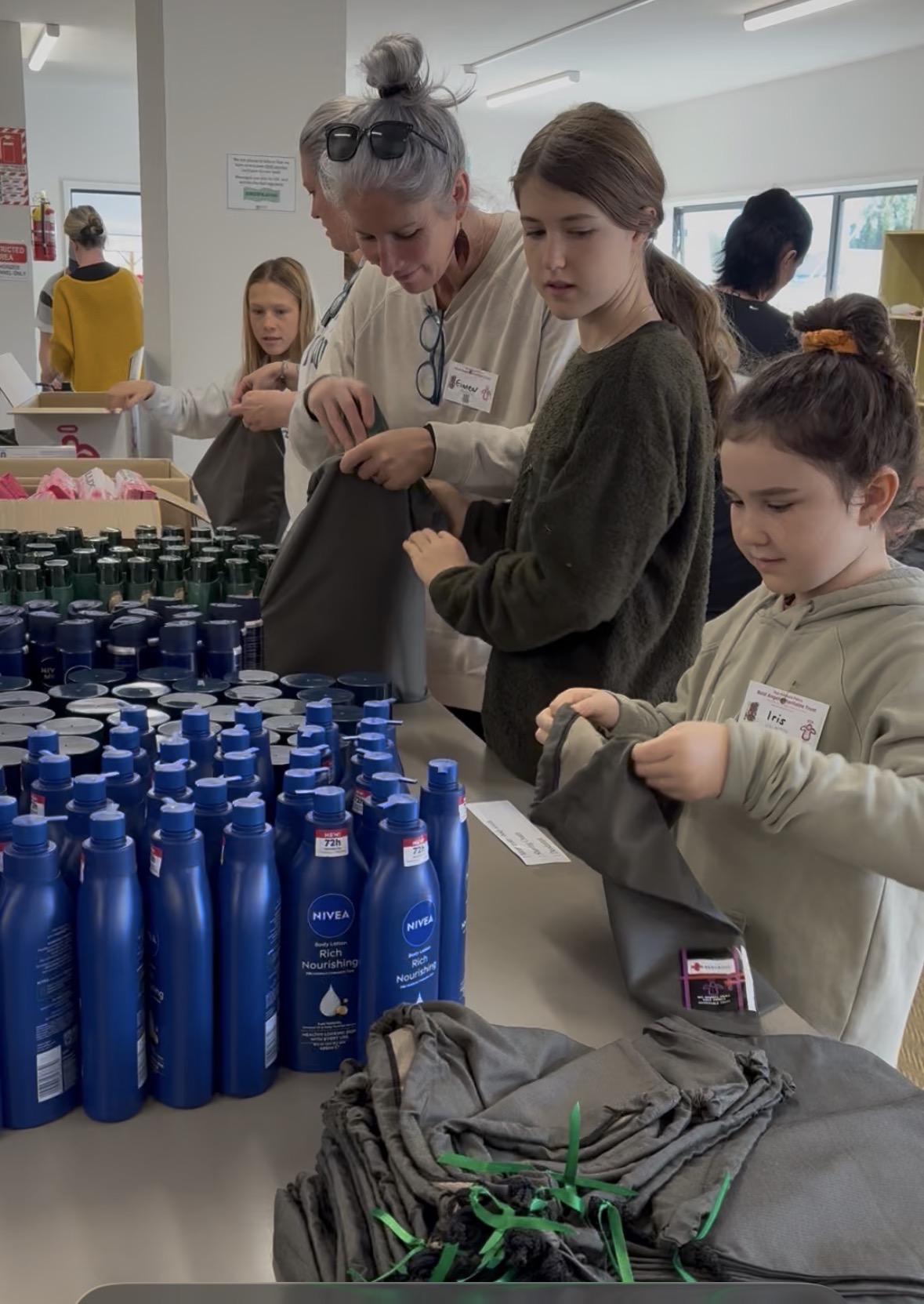
Good quality towel, flannel, deodorant, 2 x soap bars, shampoo, 2 x toothbrushes and toothpaste, body moisturiser. Wahine packs include female sanitary items, and Tane packs include shaving cream (important extra, see note below).
While shaving cream may feel like a luxury item, poor skin health is a common issue with tamariki in Tai Tokerau, so shaving can be extra difficult. Foam gives those rangatahi a better chance to feel good about themselves. Likewise, the addition of body moisturiser. In an ideal world, we would be addressing the real problem of disease and poor health caused by poverty. We are currently discussing clean water access solutions with a water engineering expert who has been volunteering with Bald Angels.
We know that dignity and self-image matter to us all.
Teens feeling mamae (ashamed) about being unclean are more likely to avoid school, socialising, and sports or cultural activities. Hygiene is far more than a teen’s physical presentation—it impacts health and wellbeing in many layers.
We all deserve dignity. We all deserve to have access to health and wellbeing.
Project Facts
- An initial test run of 500 packs.
- Distribution via 19 Angel Partners (iwi orgs, social services, education, health providers) across the Far North.
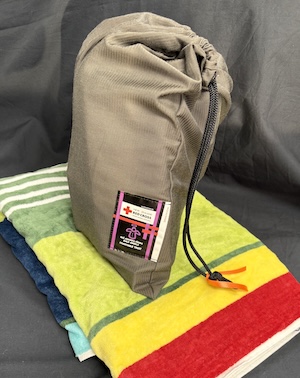
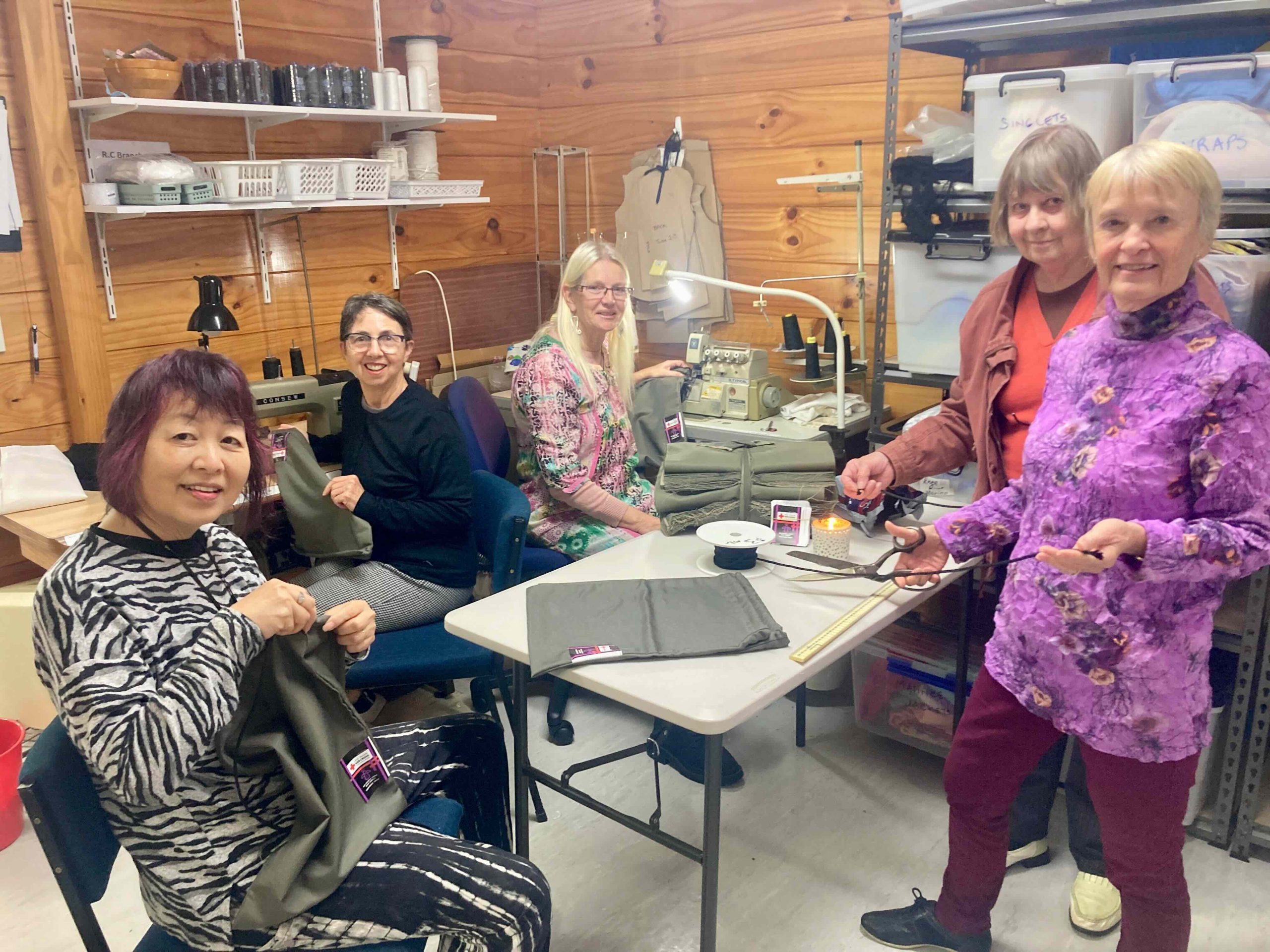
- Bags have been made by Kerikeri Red Cross volunteers.
- Bag fabric donated by Robert Caisley, a clothing manufacturer in Auckland.
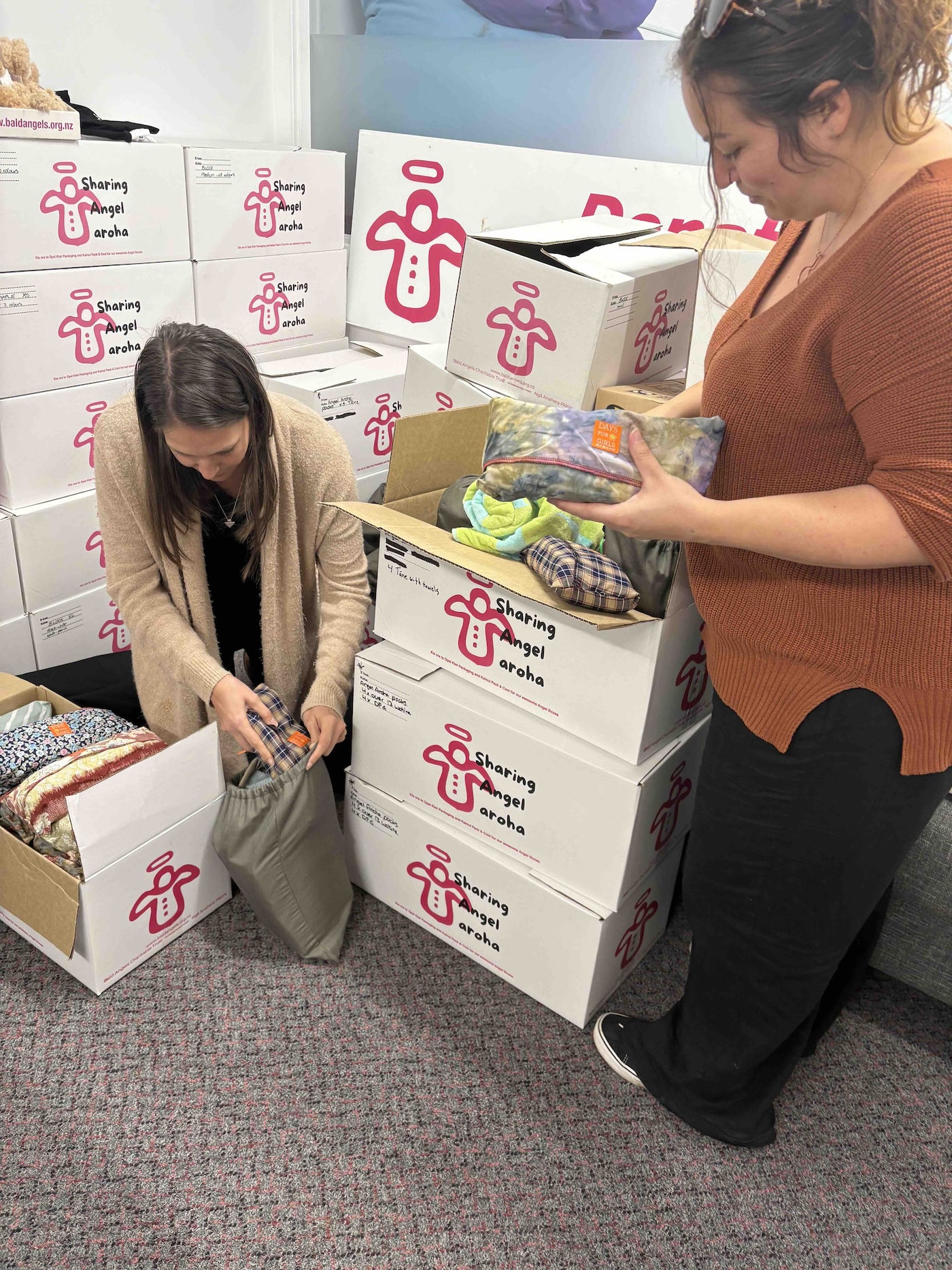
- Reusable pads supplied by Days4Girls.
- Local businesses providing discounts for products.
- Local sponsor business Kainui Pack & Cool provides support, plus warehouse and sorting space.
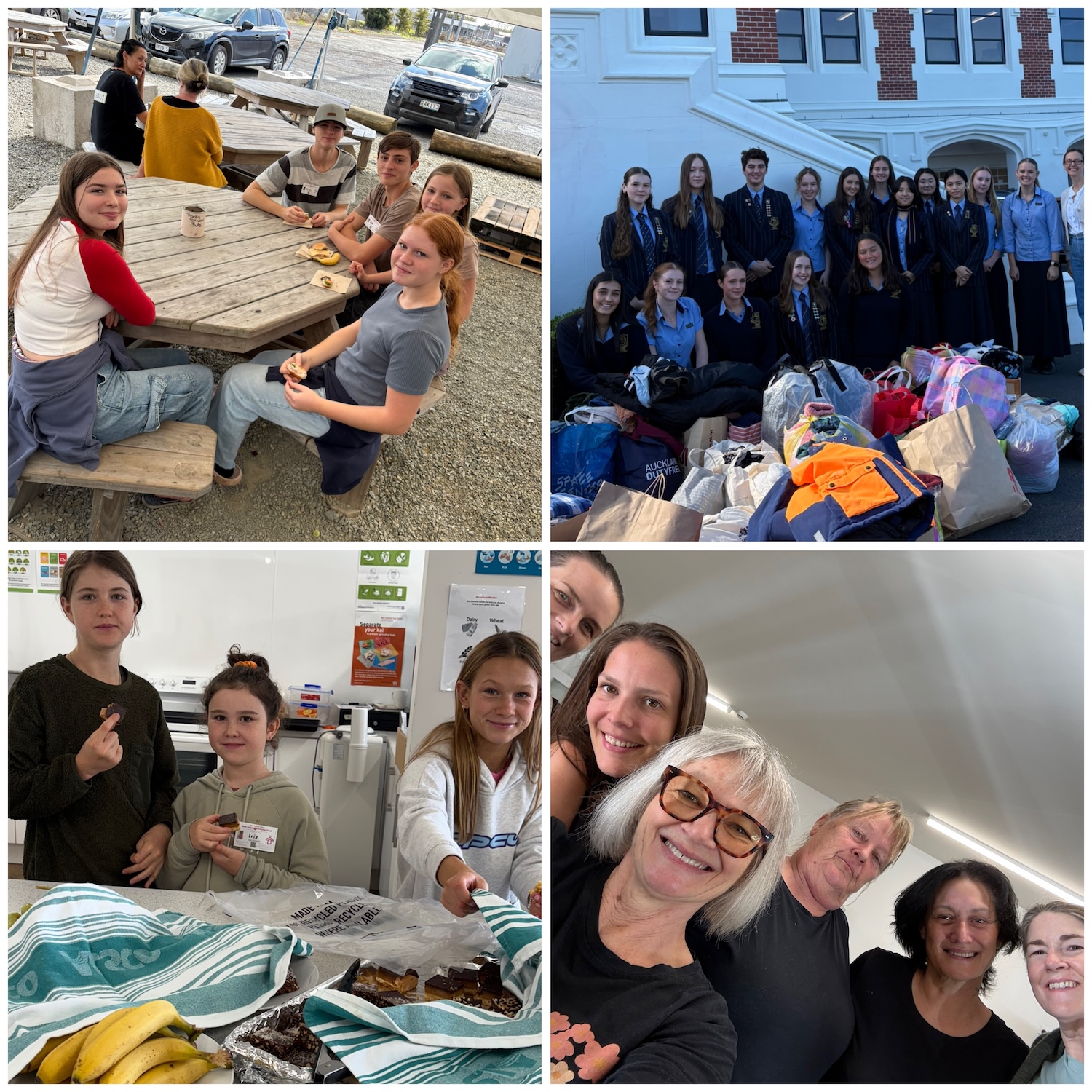
- Volunteers and local rangatahi pack bags.
- Massive thanks to Pub Charity $10,000 funding support
How can you help?
Sponsor an Angel Aroha Pack at our Angel Online Shop. $75 covers the pack and contents and helps us distribute to the most vulnerable teens